Are You Overstimulating Your Baby? Signs Most Parents Miss
Too many toys, sounds, or activities? Learn how overstimulation affects your baby and how to create a calm environment.
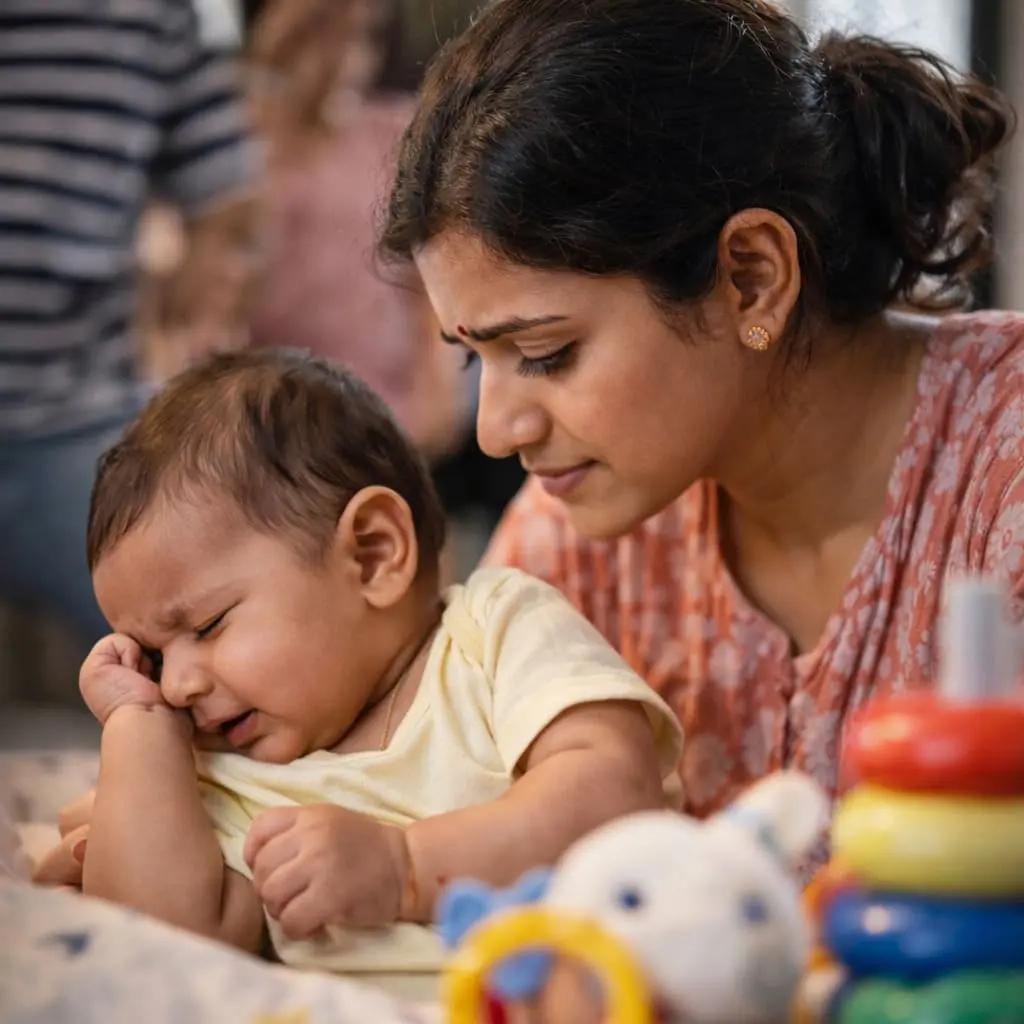
When Too Much Becomes Too Much
As parents, especially first-time moms, we naturally want to give our babies the best of everything.
We show them toys, play music, talk to them constantly, introduce new things, and try to keep them “engaged” all the time. It comes from love.
But here’s something many parents don’t realize—babies don’t need constant stimulation. In fact, too much of it can overwhelm them.
Sometimes, what your baby truly needs is less, not more.
What is Overstimulation?
Overstimulation happens when your baby is exposed to more sights, sounds, interactions, or activities than their developing brain can handle.
Unlike adults, babies don’t know how to process or filter all the information around them. When it becomes too much, they get overwhelmed—and crying becomes their only way to express it.
This can happen even during normal daily activities if there’s too much happening at once.
Common Signs Most Parents Miss
- Turning their head away from people or toys
- Sudden fussiness even after feeding and sleep
- Arching their back or stiffening their body
- Rubbing eyes frequently
- Crying unexpectedly without a clear reason
- Clinginess or wanting to be held constantly
Many times, parents assume the baby is hungry or uncomfortable—but often, the baby just needs a break.
Why It Happens in Indian Homes
Indian households are full of love—but they are also full of activity.
Visitors coming in, relatives holding the baby, loud conversations, TV noise, and constant attention can quickly become overwhelming for a small baby.
It’s common for everyone in the family to want to interact with the baby, but too many faces and voices at once can make it difficult for the baby to relax.
Even celebrations, outings, or busy environments can unintentionally overstimulate your little one.
How to Fix It (Without Feeling Guilty)
Create Calm Zones
Your baby needs a peaceful space where they can relax and reset. A quiet corner with minimal noise and soft lighting can make a huge difference.
Placing your baby in a comfortable baby cot or crib during these moments can help them feel secure and calm. Many parents prefer thoughtfully designed options from StarAndDaisy that focus on both comfort and safety.
This becomes your baby’s “safe space” where they can unwind.
Limit Noise and Activity
You don’t need complete silence—but reducing background noise like TV, loud conversations, or constant movement helps your baby relax.
Simple changes like lowering volume, dimming lights, or moving to a quieter room can instantly calm your baby.
Follow Your Baby’s Cues
Your baby communicates in subtle ways. When they turn their head away, avoid eye contact, or become fussy—it’s their way of saying, “I need a break.”
Respecting these signals helps prevent meltdowns before they start.
Slow Down the Day
Not every moment needs to be filled with activity. It’s okay to have quiet, slow moments where your baby just lies down, looks around, or rests.
These calm periods are actually very important for brain development.
Limit Passing the Baby Around
It’s natural for family members to want to hold the baby, but too many transitions can overwhelm them.
Try to keep interactions gentle and limited, especially when your baby is already tired.
A Gentle Reminder for Parents
Doing more doesn’t always mean doing better.
You don’t need to constantly entertain your baby for them to grow well. In fact, giving them space to rest and process their surroundings is just as important.
Sometimes, sitting quietly with your baby, holding them, or simply letting them relax is the best thing you can do.
Final Thoughts
If your baby seems unusually fussy or unsettled, pause and ask yourself—could they be overwhelmed?
Because sometimes, the solution isn’t another toy, another activity, or another trick.
Sometimes, it’s just a little quiet, a little stillness, and a lot of understanding.
And in those calm moments, your baby finds comfort—and so do you.
Kanika
Author - Parenting and Maternal Wellness
Hi, I’m Kanika, a parenting and maternal wellness writer at Mamaverse. I’m passionate about creating clear, practical, and thoughtfully researched content that helps parents feel more informed and confident throughout their parenting journey. I write about pregnancy, newborn care, baby development, toddler care, child development, parenting challenges, and family well-being. Before creating content, I focus on understanding the topic carefully and referring to reliable and authoritative sources, especially when the subject involves health, safety, or child development. Through Mamaverse, my goal is to simplify overwhelming parenting information into guidance that is easy to understand and useful in everyday life. I also believe that every pregnancy, child, and family is different, so my content is designed to educate and support—not replace personalized advice from qualified healthcare professionals. My Areas of Focus: Pregnancy, Maternal Wellness, Newborn Care, Baby Care, Toddler Care, Child Development, Parenting, and Family Well-being
Comments (0)
Leave a Comment
Related Articles

Baby Feeding Schedule for Newborns (0-6 Months Guide)
Navigating your newborn's feeding schedule can be challenging. Discover essential tips and insights for feeding your baby from 0 to 6 months.
The Ultimate Baby Essentials Checklist for New Parents
Navigating the world of baby products? Our ultimate essentials checklist helps new parents prepare for their little one's arrival with ease.

Newborn umbilical cord care: do's & don'ts
Proper care for your baby's umbilical cord stump.

Must-Have Newborn Care Essentials for First-Time Parents
Discover essential newborn care items every first-time parent needs for their little one. Make your parenting journey smoother and more joyful!