Encouraging Independent Play Without Screen Time
Promote creativity and independence in babies through screen-free play strategies.
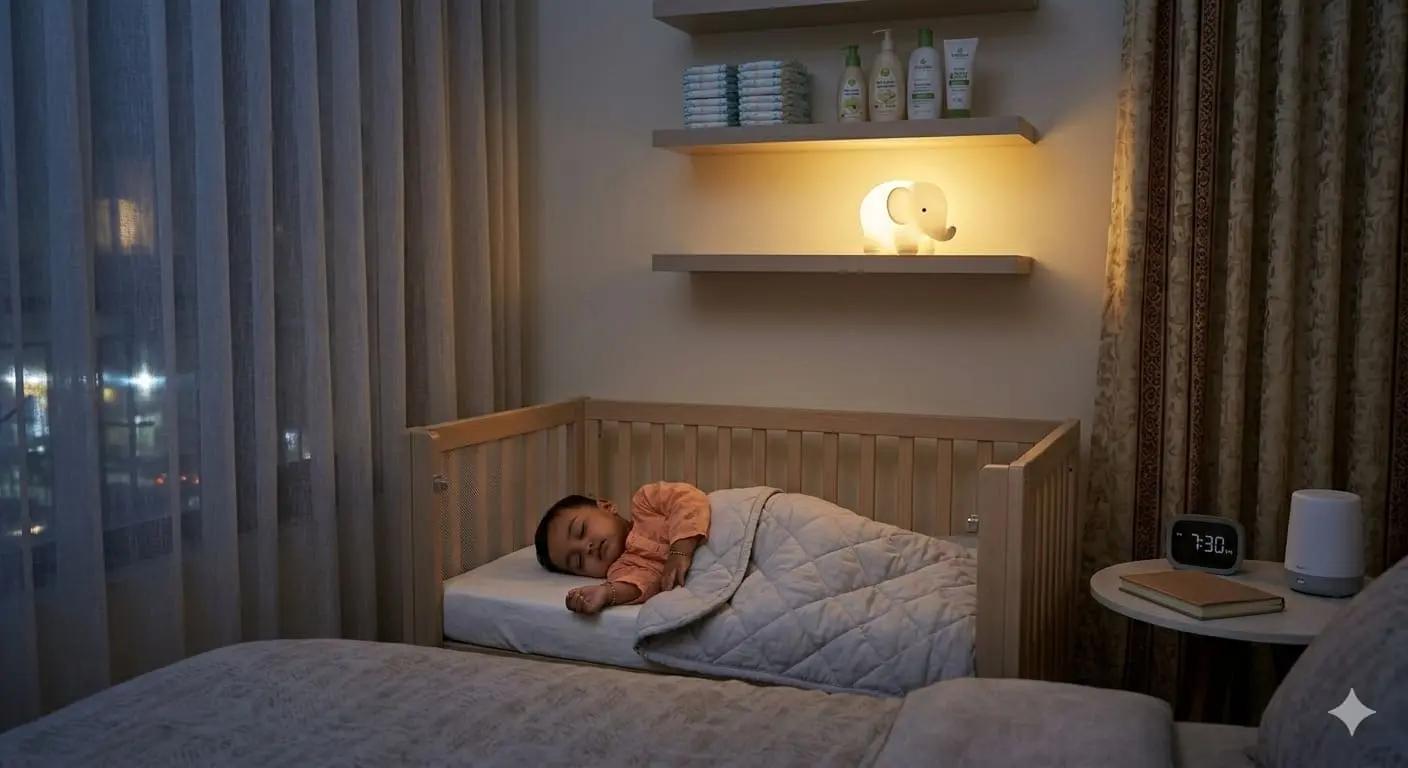
Independent play is an important part of a baby’s growth and development. It helps build creativity, focus, and problem-solving skills from an early age. While parental interaction is essential, giving babies the space to explore and play on their own allows them to discover their abilities and develop confidence. In today’s fast-paced households, encouraging independent play can also help establish a healthy balance between engagement and self-learning.
Babies are naturally curious, and when given the opportunity to play independently in a safe environment, they begin to understand cause and effect, improve motor skills, and strengthen their attention span. The goal is not to leave them alone, but to create a supportive setting where they feel secure while exploring on their own.
The Concept of Toy Rotation
One of the most effective ways to keep babies engaged without overwhelming them is toy rotation. Instead of giving access to all toys at once, rotate them weekly or every few days. This makes old toys feel new and exciting again, maintaining your baby’s interest.
Too many toys at once can lead to overstimulation and reduced focus. By limiting choices, babies are more likely to engage deeply with what they have, enhancing concentration and creativity. You can store extra toys in bins or cabinets and swap them regularly to keep the play environment fresh.
Choose Open-Ended Toys
Open-ended toys are those that can be used in multiple ways, encouraging imagination and creativity. Simple items like building blocks, stacking cups, soft balls, or shape sorters allow babies to explore different possibilities without fixed outcomes.
Unlike electronic toys that often provide limited interaction and instant responses, open-ended toys require babies to think, experiment, and learn through trial and error. This type of play supports cognitive development and problem-solving skills.
Additionally, these toys tend to grow with your child, offering new ways to play as they develop new skills.
Create a Routine
Establishing a routine for independent play helps babies understand when it’s time to explore on their own. Start with short durations and gradually increase the time as your baby becomes more comfortable.
Parallel play is a great approach during this stage. Sit nearby and engage in your own activity while your baby plays independently. This reassures them of your presence while encouraging self-reliance.
Consistency is key. Having a regular playtime each day helps build a sense of structure and predictability, making it easier for your baby to adapt to independent play.
Designing a Safe and Stimulating Environment
You can also include sensory elements like textured toys, mirrors, or soft books to make the play area more engaging. Natural lighting and calm surroundings further enhance the experience.
Encouraging Without Interfering
It’s important to strike the right balance between support and independence. Avoid stepping in too quickly when your baby faces a small challenge. Give them time to figure things out on their own, which helps build resilience and confidence.
At the same time, offer encouragement through smiles, eye contact, or gentle words. This creates a positive association with independent play and motivates your baby to continue exploring.
Limiting Screen Exposure
In many households, screens can become an easy distraction. However, reducing screen time is important for encouraging meaningful play. Independent play with physical toys promotes better cognitive and physical development compared to passive screen engagement.
Focusing on hands-on activities ensures that your baby remains actively involved in learning and exploration.
Explore engaging toys at StarAndDaisy that support your baby’s developmental journey while making playtime enjoyable and meaningful.
Takeaway: Independent play nurtures creativity, builds confidence, and enhances problem-solving skills. With the right environment, thoughtful toy selection, and a consistent routine, babies can learn to explore and grow on their own while feeling safe and supported.
Dr. Vandana Raghav
Pediatrician & Child Health Expert
Hi, I’m Vandana Raghav, a pediatrician and child health expert associated with Mamaverse. My work is focused on helping parents better understand their child’s health, growth, development, nutrition, and overall well-being through reliable and practical guidance. As a pediatrician, I understand that parents often have questions and concerns at every stage of their child’s development. Through Mamaverse, I aim to make medically complex topics easier to understand while providing evidence-informed information that parents can use to have more informed conversations about their child’s care. My areas of interest include newborn care, infant health, child growth and development, nutrition, feeding, sleep, common childhood health concerns, preventive care, and overall child wellness. I believe trustworthy parenting and child-health information should be accurate, responsible, and easy to understand. My goal is to help Mamaverse provide parents with dependable health information while encouraging them to consult their pediatrician or other qualified healthcare professional whenever individualized medical assessment, diagnosis, or treatment is required. My Areas of Expertise: Pediatrics, Newborn Care, Infant Health, Child Health, Growth and Development, Child Nutrition, Preventive Care, Parenting and Child Wellness
Comments (0)
Leave a Comment
Related Articles
Keeping Babies Germ Free at Home
Learn effective tips to keep your baby safe from germs at home. A clean environment promotes health and happiness for your little one.

From Chaos to Calm: Building a Daily Routine with a Newborn
For the first three weeks, I had no idea what time it was, what day it was, or whether what I was eating was breakfast or dinner. Then I discovered the power of a loose daily rhythm — and everything changed.
How to Choose the Right Baby Gear for Every Stage (0–2 Years Guide)
Confused about what baby gear to buy? This stage-by-stage guide helps parents choose the right products from newborn to toddler—without wasting money.
Joint Family Life with a Baby: Making It Work Beautifully
Living in a joint family with a new baby is one of the most complicated gifts of Indian parenthood. The support is real. The opinions are also very real. Here's how we made it work.